How to Remove a Stripped Screw (Step-by-Step Guide)
Stripped screws are one of the most frustrating problems in DIY and home repair. The screwdriver slips, the head gets rounded, and suddenly a simple job turns into a headache.
The good news? In most cases, you can remove a stripped screw without damaging the surrounding material—if you use the right method.
This guide walks you through proven ways to remove stripped screws, starting with the easiest fixes and working up to more stubborn cases.
Depending on the severity of the damage, you may need:
-
Correct-size screwdriver or bit
-
Wide rubber band
-
Locking pliers
-
Left-hand drill bits
-
Screw extractor set
-
Drill (low speed recommended)
Starting with the simplest tool first reduces the risk of further damage.
What Is a Stripped Screw?
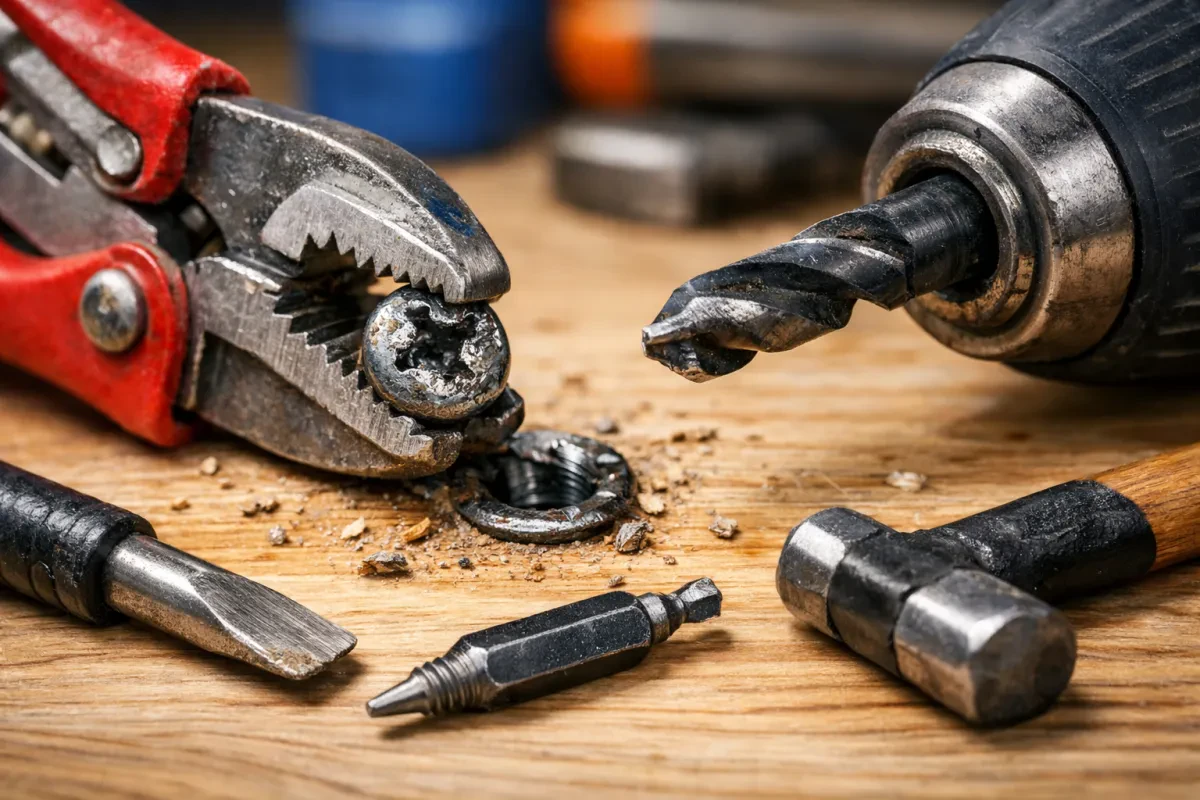
A screw is considered stripped when the slots or recess in the head are worn down so your screwdriver can’t grip it properly. This often happens because of:
-
using the wrong screwdriver size
-
applying too much force
-
rust or corrosion
-
low-quality screws
Once stripped, forcing it usually makes things worse—so stop and switch tactics.
Method 1: Try the Right Screwdriver (Quick Win)
Before jumping to specialty tools, double-check the basics.
What to try:
-
Switch to a slightly larger screwdriver
-
Press down firmly and turn slowly
-
Use a manual screwdriver, not a drill
If the screw is only lightly stripped, this alone can work.
Method 2: Use a Rubber Band or Abrasive
Best for screws that still have some shape left.
Steps:
-
Place a wide rubber band over the screw head
-
Push the screwdriver into the rubber band
-
Turn slowly while applying firm pressure
This increases friction and helps the driver bite.
Method 3: Tap the Screwdriver In
If the head is rounded but not destroyed:
-
Seat the screwdriver in the screw
-
Tap it lightly with a hammer
-
Try turning while maintaining pressure
This can help break light rust and re-seat the bit.
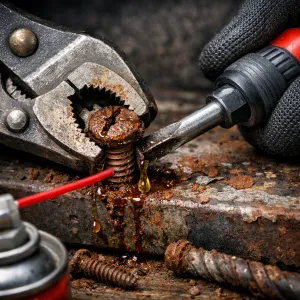
Method 4: Use Locking Pliers (If the Head Is Exposed)
If the screw head sticks up:
-
Clamp locking pliers tightly around the head
-
Turn slowly counter-clockwise
This works well for larger screws and bolts but won’t help recessed screws.
Method 5: Use a Screw Extractor (Most Reliable Method)
For badly stripped or recessed screws, a screw extractor is usually the safest and most reliable solution.
How a Screw Extractor Works
A screw extractor removes damaged screws in two steps:
-
A drill bit creates a small pilot hole
-
The extractor bites into the screw and backs it out
Step-by-Step:
-
Choose the extractor size that matches the screw
-
Drill a shallow pilot hole (often with a left-hand drill bit)
-
Insert the extractor
-
Turn slowly counter-clockwise
In many cases, the screw comes out cleanly in seconds.
👉 See our recommended screw extractor sets for DIY, automotive, and small-screw repairs:
When to Use Each Method
-
If the screw is lightly stripped → try a better-fitting screwdriver first.
-
If there’s still some grip left → use the rubber band method.
-
If the head is exposed → locking pliers can work quickly.
-
If the screw is recessed or badly damaged → use a left-hand drill bit followed by a screw extractor.
Starting with the least aggressive method helps prevent damage to surrounding material.
Method 6: Cut a Slot (Flathead Trick)
For screws with a wide head:
-
Use a rotary tool or hacksaw
-
Cut a straight slot across the head
-
Remove with a flathead screwdriver
This works well for hinges and wood screws but requires care.
Method 7: Last Resorts (Use Carefully)
Only try these if nothing else works:
-
Applying heat to break rust
-
Drilling the screw head off
These can damage materials, so use them sparingly.
Common Mistakes to Avoid
-
❌ Using the wrong screwdriver size
-
❌ Applying too much force too fast
-
❌ Using cheap extractors on hardened screws
-
❌ Skipping the pilot hole
Patience matters more than strength here.
How to Prevent Stripped Screws in the Future
-
Use the correct driver type and size
-
Apply steady pressure, not speed
-
Replace worn bits
-
Pre-drill pilot holes in wood
-
Use quality screws and tools
If you remove stripped screws often, keeping a good extractor kit nearby saves time and frustration.
👉 Compare our top screw extractor picks here:
Frequently Asked Questions
What is the easiest way to remove a stripped screw?
For lightly stripped screws, using the correct screwdriver size or a rubber band can work. For badly stripped screws, a screw extractor is usually the easiest and most reliable method.
Do screw extractors really work?
Yes. When used correctly and at low speed, quality screw extractors can remove stripped or damaged screws without harming the surrounding material.
Can you remove a stripped screw without an extractor?
Sometimes. Methods like rubber bands, pliers, or cutting a slot can work for minor damage, but extractors are more reliable for recessed or badly stripped screws.
Will a screw extractor damage the screw hole?
When used properly, screw extractors typically do not damage the hole. Drilling too deep or using excessive force is what causes problems.
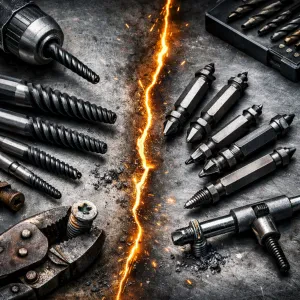
Are spiral or double-ended extractors better?
Spiral extractors tend to grip harder on stubborn screws, while double-ended extractors are convenient for quick DIY jobs. The best choice depends on the situation.
Final Thoughts
Most stripped screws can be removed cleanly if you stop early and choose the right method. Simple tricks work for minor damage, but for stubborn or recessed screws, a quality screw extractor is often the fastest and safest option.
👉 See our top-rated screw extractor sets and choose the right tool for your situation: