How to Remove a Screw with a Broken Head (Step-by-Step Guide)
A screw with a broken head can feel like a disaster. With nothing left to grip, it may seem impossible to remove without damaging the surrounding material.
The good news is that most broken screws can be removed cleanly using the right approach. This guide walks you through safe, practical methods — starting with the least aggressive options first
Why Screw Heads Break
Screw heads usually break because of:
-
Over-tightening
-
Rust or corrosion
-
Using the wrong screwdriver bit
-
Cheap or brittle screws
-
Excessive force during removal
Once the head snaps off, you’re left with the threaded shaft stuck in the material.
Before You Start
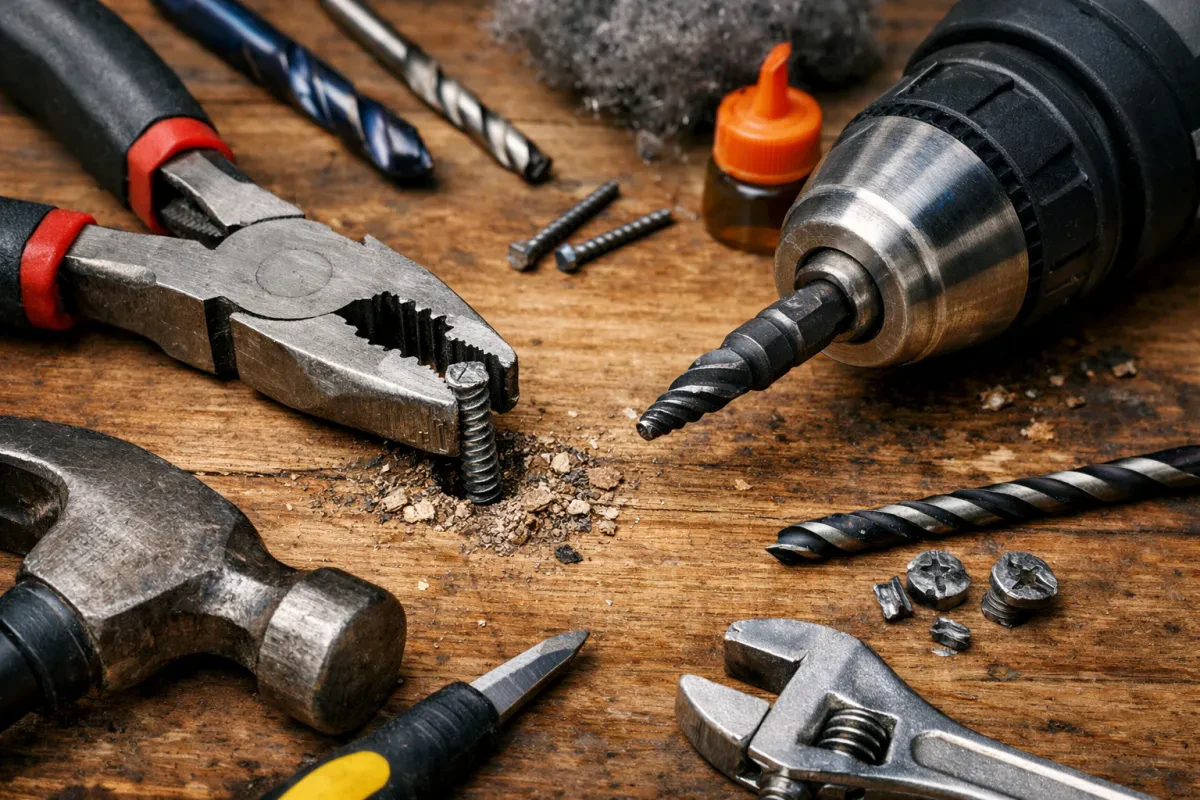
You’ll likely need one or more of the following:
-
Locking pliers (if any screw is exposed)
-
Drill
-
Left-hand drill bits
-
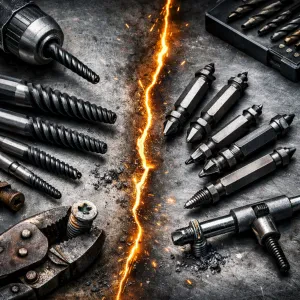
Screw extractor set
-
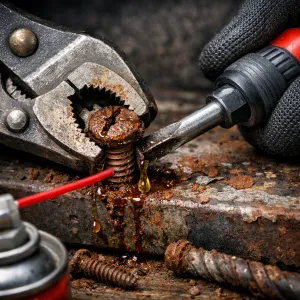
Penetrating oil (for rusted screws)
Start with the least invasive method and move up only if necessary.
Method 1: Grip the Exposed Shaft (If Visible)
If part of the screw shaft is sticking out:
-
Clamp locking pliers tightly onto the exposed metal.
-
Gently twist counter-clockwise.
-
Rock slightly back and forth if needed.
This works surprisingly well when at least 2–3mm of screw is visible.
If nothing is exposed, move to drilling.
Method 2: Use a Left-Hand Drill Bit
Left-hand drill bits spin counter-clockwise, which helps loosen the screw while drilling.
Steps:
-
Mark the center of the screw with a punch.
-
Drill slowly using a small left-hand bit.
-
Apply steady pressure — not high speed.
-
Often, the screw will back itself out during drilling.
This is usually the safest and most effective first drilling method.
If it doesn’t loosen, continue to the next step.
Method 3: Use a Screw Extractor
If drilling alone doesn’t remove it:
-
Drill a pilot hole into the center of the screw.
-
Insert the correctly sized extractor.
-
Turn slowly counter-clockwise.
-
Let the extractor bite naturally — do not force it.
If you deal with broken screws regularly, keeping a reliable extractor kit on hand makes the job much easier.
👉 You can see our recommended screw extractor kits here:
Top Screw Extractor Sets for Stripped & Rusted Screws
Method 4: Drill It Out Completely (Last Resort)
If extraction fails:
-
Use progressively larger drill bits.
-
Drill out the screw core.
-
Re-tap the threads if needed.
-
For wood, plug the hole and re-drill.
This method works but should be a last option.
Common Mistakes to Avoid
-
Drilling too fast
-
Using too much force on extractors
-
Drilling off-center
-
Skipping penetrating oil on rusted screws
-
Using the wrong extractor size
Patience matters more than power.
When to Use Heat
For metal screws stuck in metal (automotive situations):
-
Apply controlled heat with a heat gun.
-
Let cool slightly.
-
Try drilling again.
Do not use open flame near flammable materials.
Final Thoughts
A broken screw head doesn’t mean the project is ruined. In most cases, careful drilling combined with a left-hand bit or extractor will remove it cleanly.
Work slowly, stay centered, and avoid forcing the tool.
FAQ
Can you remove a screw without drilling?
Only if part of the shaft is exposed. Otherwise, drilling is usually required.
Do screw extractors work on broken screws?
Yes, when drilled correctly and used slowly. Rushing causes most failures.
What if the screw is below the surface?
Drill carefully into the center and use an extractor sized for the hole.
Will this damage the surrounding material?
Not if you drill straight and avoid oversized bits.